Walking into Kolotan School in West Bengal, I quickly realised that the words ‘parent involvement’ mean something entirely different here. This isn’t a school that merely invites parents to annual day events or annual report cards. This is a place where parents are woven into the fabric of education itself, month after month, in ways both structured and deeply personal.
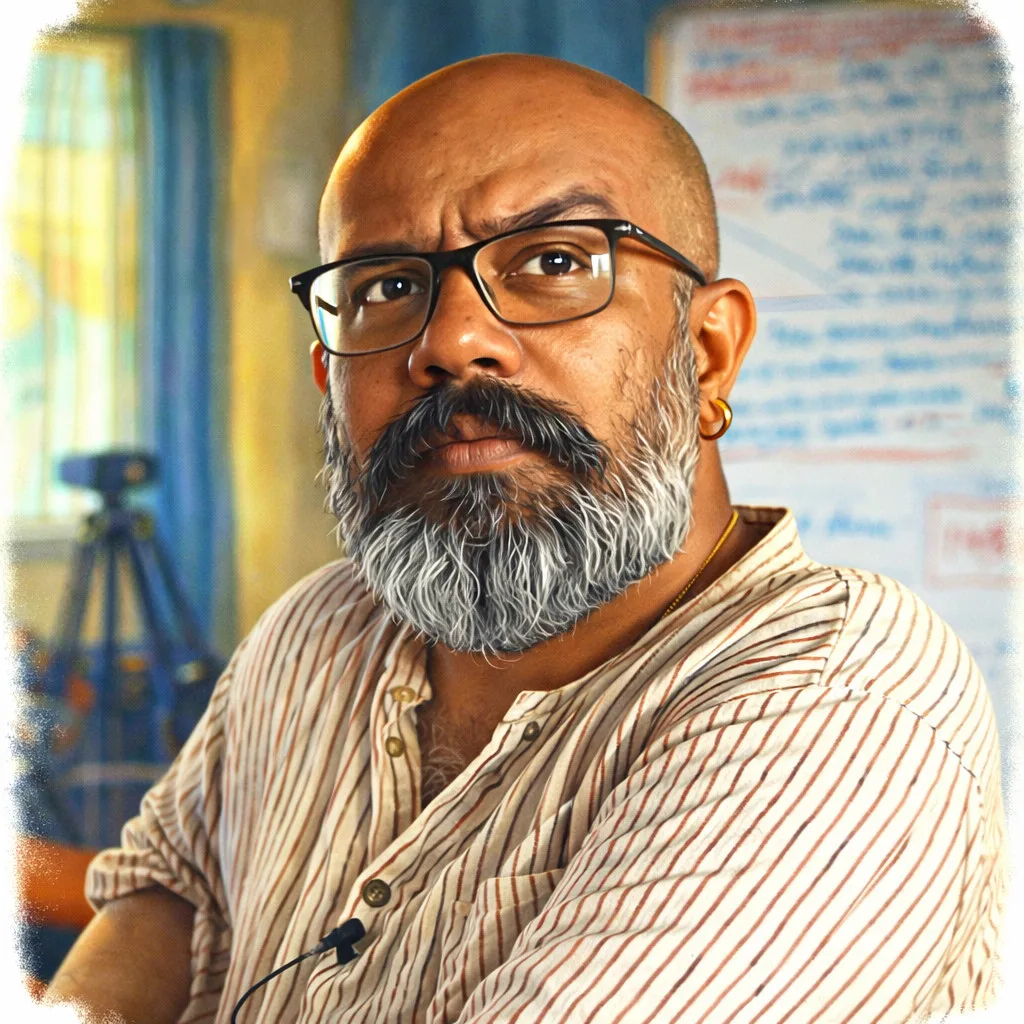
I sat down with one of the school’s founding team members Mr. Sujay Sarkar on a humid afternoon, and what unfolded was a masterclass in redefining what genuine parent-teacher partnership looks like.
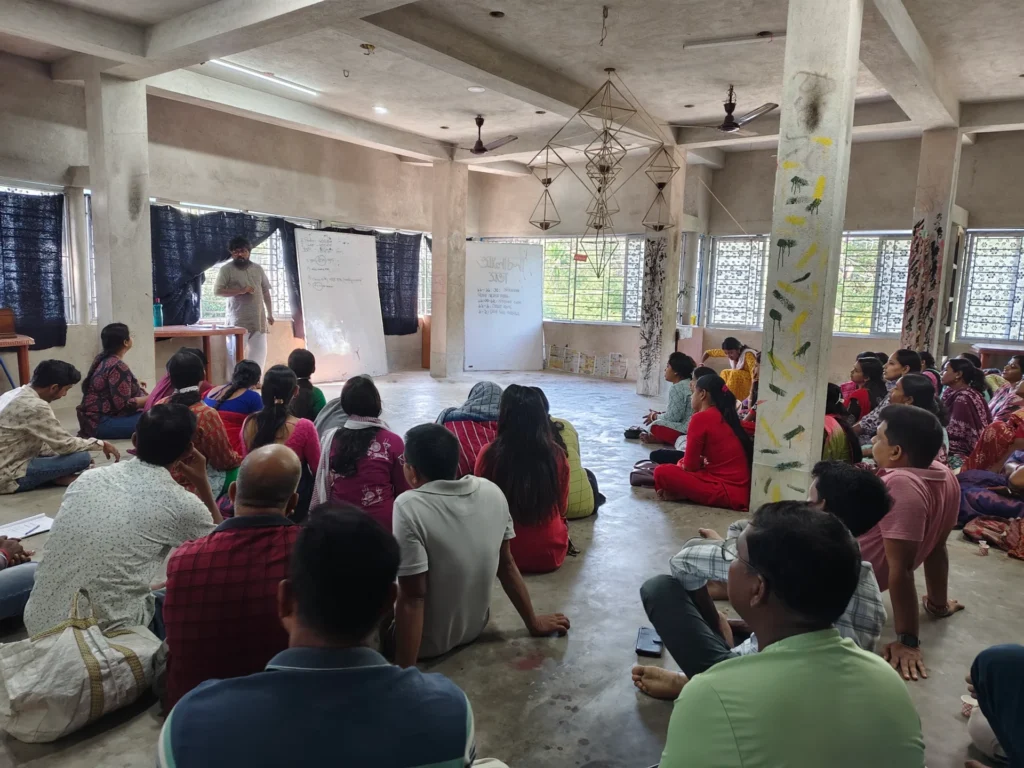
Every month, without fail, dedicated meetings happen with each class group. These aren’t cursory check-ins but intentional spaces where teachers and parents align on classroom dynamics, student progress, and shared learning goals. By meeting regularly with class groups, the school ensures that collective concerns are addressed while maintaining a sense of community among families with children at similar developmental stages. What struck me most was the honesty in how they handle absences. If a parent cannot come, the school doesn’t simply mark them absent in a ledger and move on. Teachers follow up. They call. And if calling doesn’t work, they visit homes. This isn’t bureaucracy, it’s genuine care meeting resourcefulness.
Twice each year, teachers conduct unhurried, 45-minute one-on-one conversations with each child’s parents. These aren’t rushed feedback sessions but deliberate dialogues where teachers and parents discuss the specific child, their strengths, challenges, learning patterns, and growth.

Each year, Kolotan organizes 4–5 intensive workshops on topics that matter, like, adolescence, corporal punishment, positive parenting, child development. These aren’t lectures. They’re spaces designed to help parents think differently. Three times per year, the entire school community gathers for collective discussions. These sessions create opportunities for all parents to share a common understanding of school philosophy, upcoming initiatives, and schoolwide challenges. They also foster a sense of belonging to a larger educational community rather than isolated classroom units.
I was explained the philosophy with particular eloquence: “A capacity to think should be created.” Which means that parents need to understand not just what happens in classrooms, but why it happens. When a child refuses to study at home while being engaged in class, understanding the “why” becomes crucial. Is it the environment? The peer influence from the neighbor’s child? The parent’s own approach? Through these workshops & discussions, parents learn to think diagnostically about their children’s learning, rather than reactively.
Perhaps the most innovative touch, external assessments conducted twice a year, along with children themselves as auditors. This isn’t top-down evaluation. Children observe, assess, and provide feedback to teachers. It’s a radical inversion of power that teaches children agency while giving parents transparent insight into school practices. What impresses me most is the structure beneath the warmth. For students in pre-primary, the primary teacher conducts meetings while others manage classes. Every group, every age, gets dedicated attention. These aren’t one-size-fits-all conversations but individualized dialogues tailored to developmental stages.
Beyond the structured calendar, conversations happen whenever needed. If a parent has concerns, the door is open. If teachers observe something that requires family dialogue, they reach out. This flexibility acknowledges that children’s learning journeys don’t follow rigid schedules and that genuine partnership requires responsiveness. The school maintains meticulous records, not to penalize but to ensure no family slips through the cracks. Follow-up isn’t optional; it’s built into their system.
Standing in the small classroom of Kolotan, I realized something profound, ‘schools that truly involve parents aren’t asking families to work harder, they’re asking them to think deeper.’ They create spaces where misunderstandings dissolve because the teacher and parent finally understand the child through the same lens.
In West Bengal, where education often mirrors traditional hierarchies, where teachers are authorities and parents are outsiders, Kolotan is quietly rewriting a different script altogether. Month after month, Saturday after Saturday, they’re building something increasingly rare, a genuine community of learning.
It’s not revolutionary in appearance. But in its consistency and thoughtfulness, it might be one of the most revolutionary things a school can do.
To explore Kolotan’s parents involvement process we encourage you to connect with the school directly at [email protected]